
 Photo: Jim Osley, CC BY-SA 2.0
Walks and outdoor days in Sussex
The South Downs meet the sea in Sussex, and that meeting point is where many of the county's classic walks begin. From Cuckmere Haven the Seven Sisters roll east towards Birling Gap and Beachy Head, Britain's highest chalk sea cliff.
Inland, the walking changes character completely: the open heath of Ashdown Forest, the rewilded fields of Knepp and Petworth's 700-acre deer park. We have also included two big sandy beaches for winter walks and a cliff railway that saves your legs on the climb.
Clifftop paths here are unfenced and crumbling in places. Stay well back from the edges, and check tide times before heading onto the beaches.
Cliffs and coast
Chalk, shingle and sand from Hastings to Chichester Harbour.
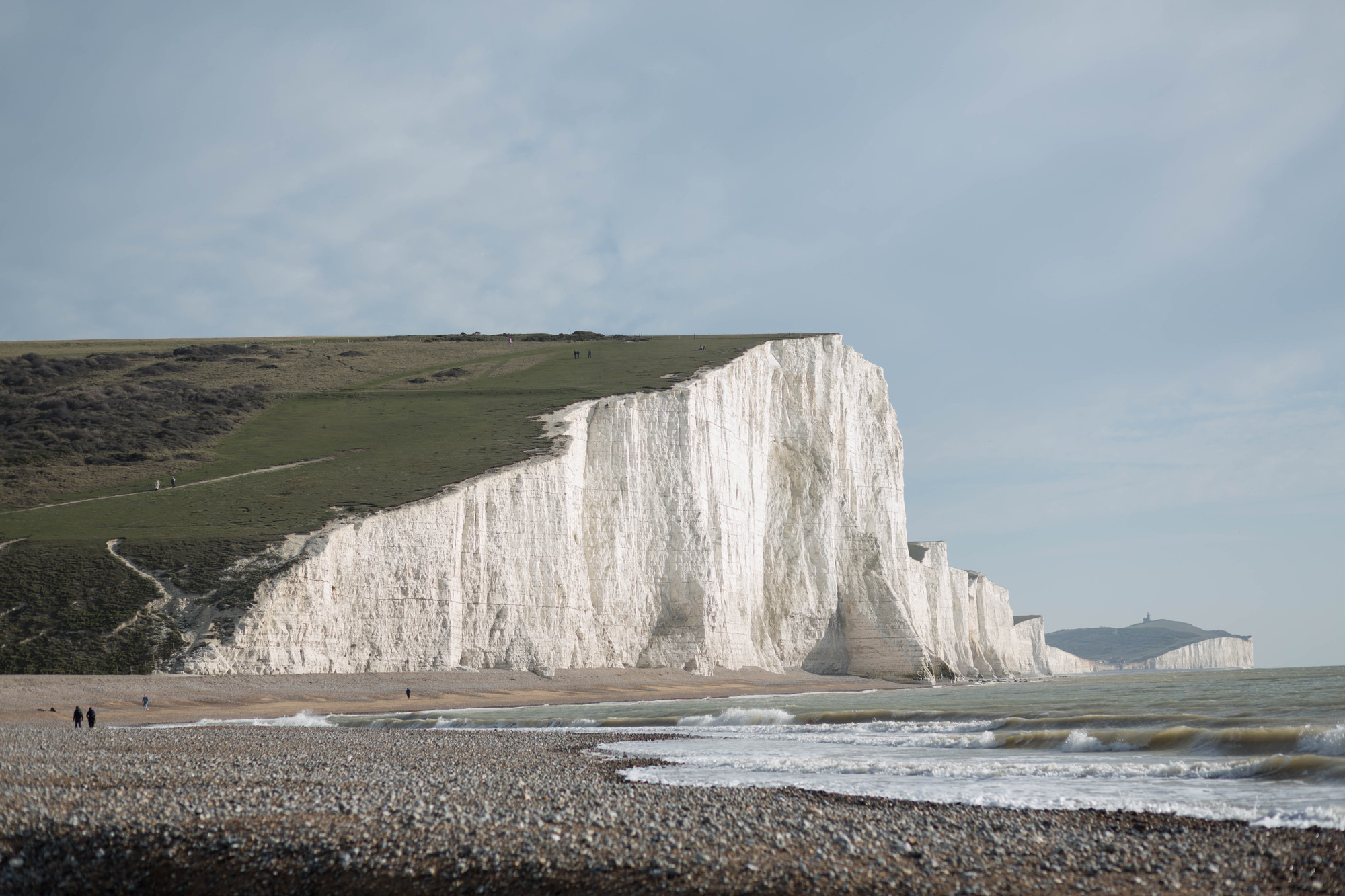 Image: Seven Sisters Country Park
Seven Sisters Country Park
The classic view of the Seven Sisters chalk cliffs starts here, where the Cuckmere river meanders down to the sea. A level trail runs about 2km to the shingle beach at Cuckmere Haven, so it works for pushchairs and less confident walkers too.
Why it's here: The classic view of the Seven Sisters, with an Easy Access Trail of about 2km to the shingle beach at Cuckmere Haven.
 Image: National Trust
Birling Gap and the Seven Sisters
Birling Gap is where the South Downs meet the sea at the Seven Sisters chalk cliffs, one of the longest undeveloped stretches of the south coast. Walk the clifftop downland, or take the steps down to the shingle beach for rock pools and fossil hunting. The National Trust café, shop and visitor centre sit on the cliff top.
Why it's here: Over 500 acres of chalk grassland on the clifftop, with steps down to rock pools and a café and visitor centre on top.
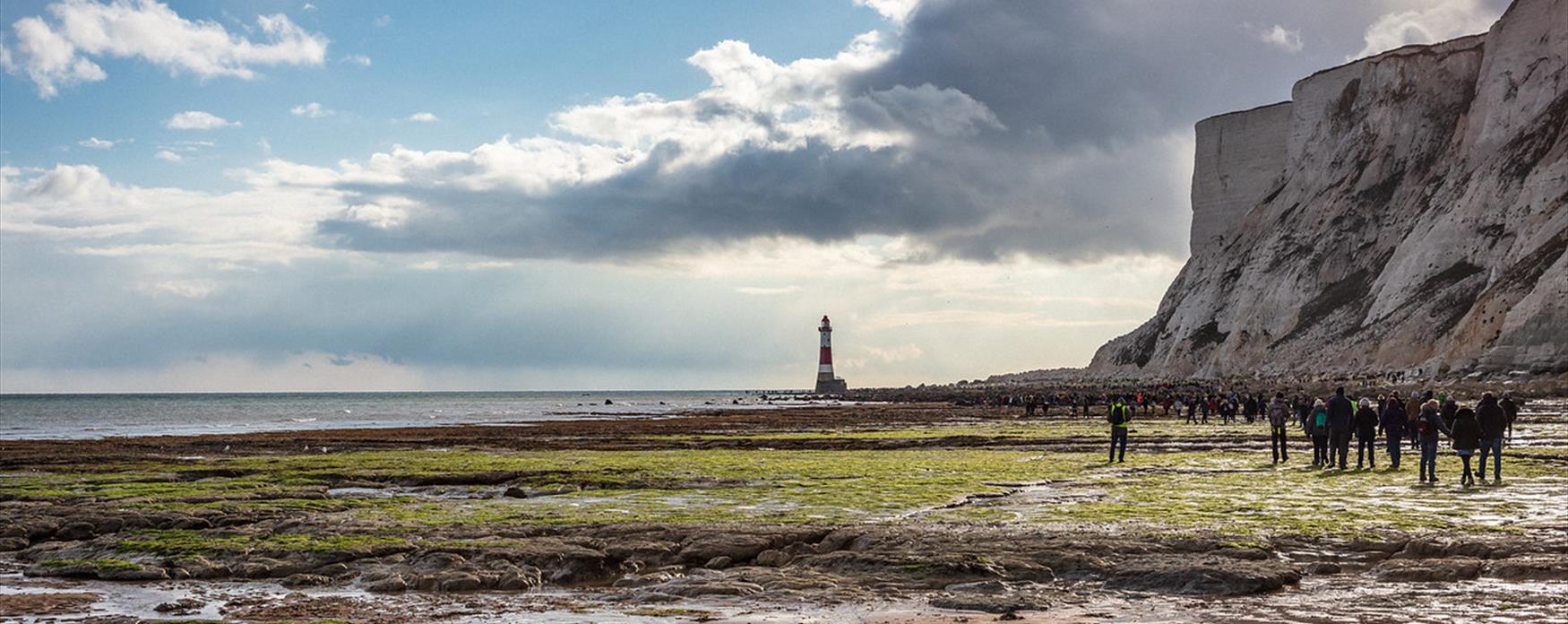 Image: Visit Eastbourne (Eastbourne Borough Council)
Beachy Head
Britain's highest chalk sea cliff, rising 162 metres above the lighthouse and the Channel. Walk up from the western end of Eastbourne seafront on the South Downs Way, or park at the top and stroll towards Belle Tout.
Why it's here: Walk up from the western end of Eastbourne seafront on the South Downs Way, or park at the top and stroll towards Belle Tout.
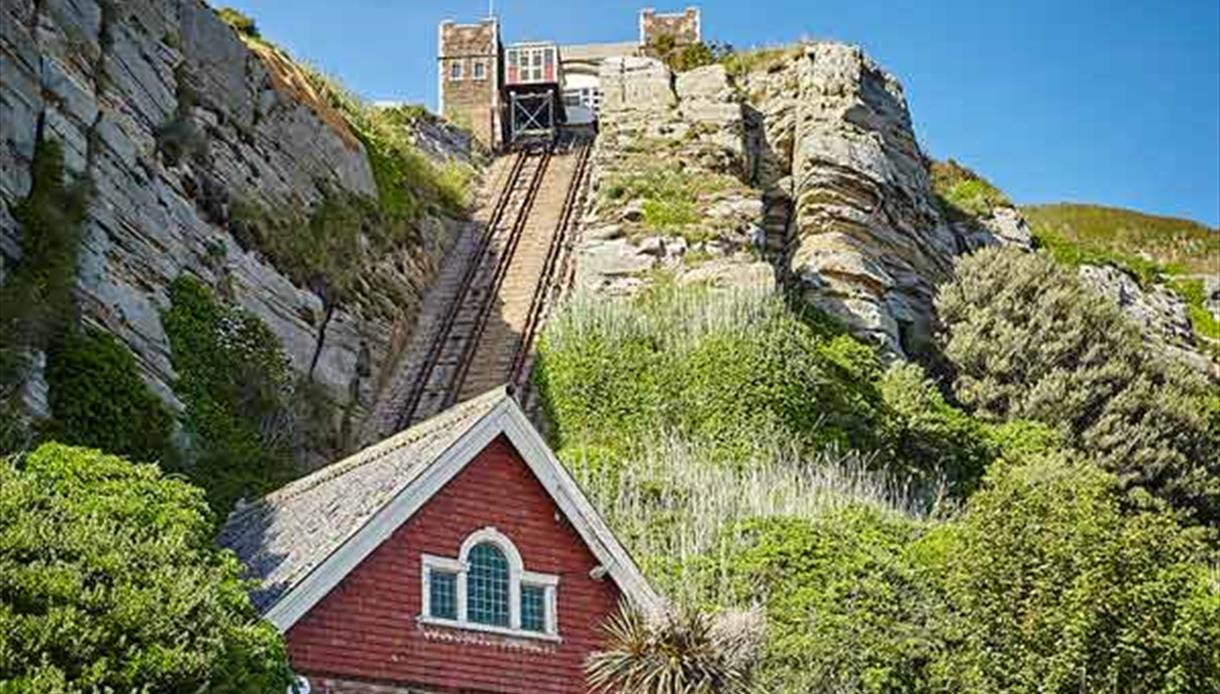 Image: Visit 1066 Country (Hastings Borough Council)
East Hill Cliff Railway, Hastings
A short, steep cliff railway climbing from Hastings Old Town to the clifftop at East Hill. At the top, Hastings Country Park opens out with sweeping coastal views, and at the bottom you are beside the beach-launched fishing fleet.
Why it's here: A steep cliff railway from the Old Town to Hastings Country Park, with sweeping coastal views from the top.
 Image: West Wittering Estate
West Wittering Beach
A wide Blue Flag sandy beach at the mouth of Chichester Harbour, with the sand spit of East Head at one end and plenty of room to spread out. Out of season it is one of the best dog-walking beaches on the south coast.
Why it's here: A huge sandy beach at low tide with the East Head sand spit at one end, and plenty of room to spread out in winter.
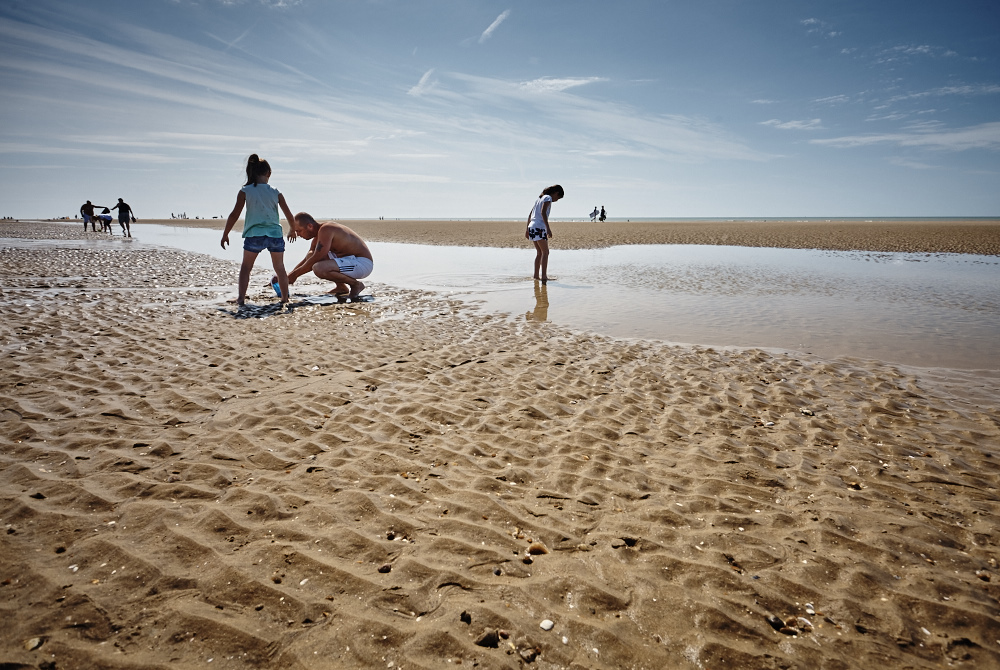 Image: Visit 1066 Country (Hastings Borough Council)
Camber Sands
More than two miles of sandy beach near Rye. Winter is the time for long dog walks and kite flying, with the summer crowds long gone.
Why it's here: More than two miles of sand near Rye, at its emptiest in winter for long walks and kite flying.
Downs, heath and wild places
Big views and bigger skies.
 Image: National Trust
Devil's Dyke
The longest, deepest and widest dry valley in Britain, cut into the South Downs just north of Brighton. Walk the Iron Age ramparts for the view Constable called the grandest in the world, then drop into the valley itself.
Why it's here: Britain's longest, deepest and widest dry valley, with Iron Age ramparts and the view Constable called the grandest in the world.
 Image: Ashdown Forest
Ashdown Forest
Open heathland and woodland that inspired the Hundred Acre Wood in the Winnie-the-Pooh stories. Big skies, long views and miles of paths make it a favourite for dog walks and family rambles, with Poohsticks Bridge an easy target for younger children.
Why it's here: Open heathland and woodland that inspired the Hundred Acre Wood, with walks from around 45 car parks.
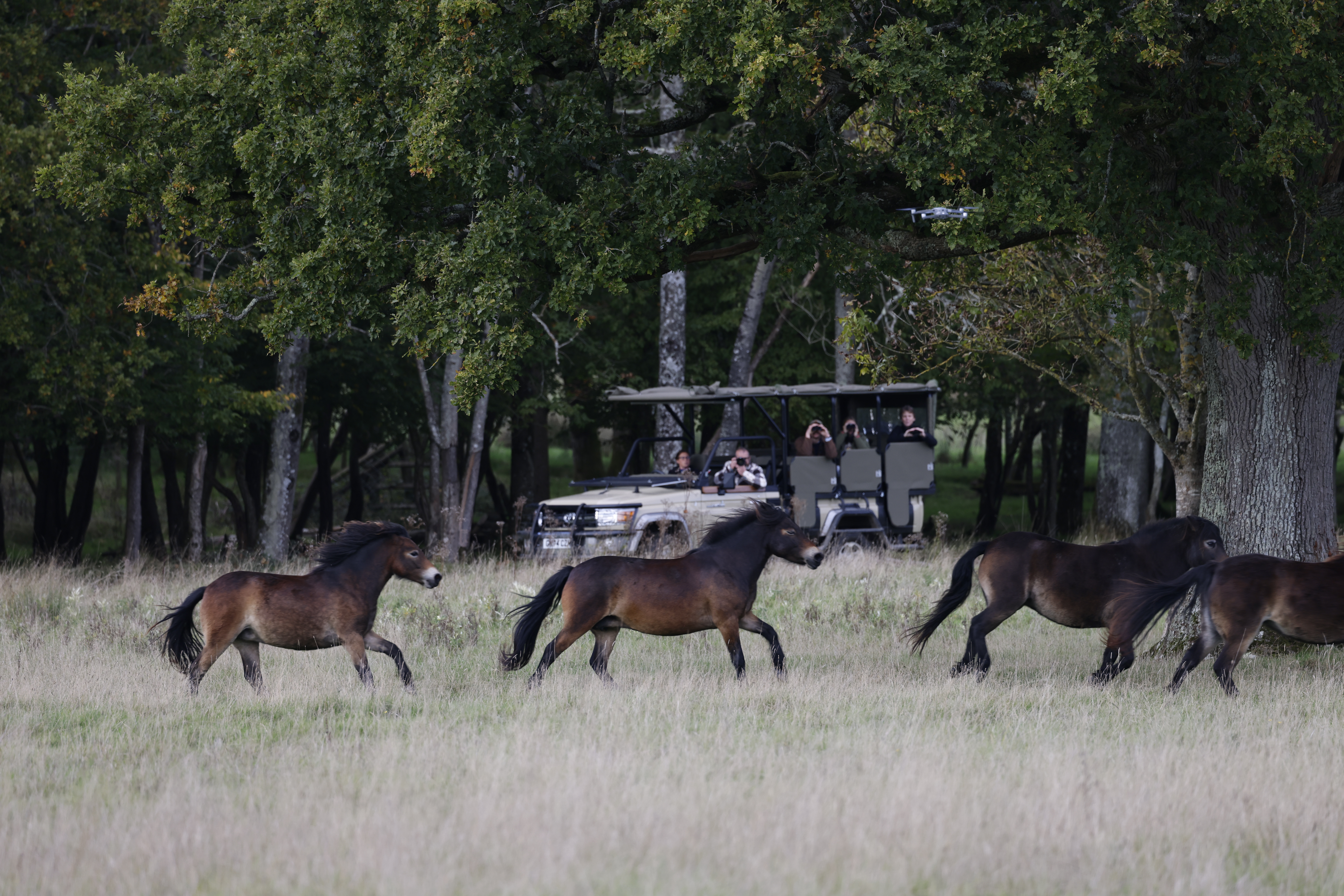 Image: Knepp Wildland
Knepp Wildland
A pioneering rewilding project, where free-roaming herds, white storks and recovering wildlife have replaced intensive farming. Public footpaths, tree platforms and a lakeside hide let you explore for free, and the Wilding Kitchen is open all year.
Why it's here: 16 miles of free footpaths through a rewilding project, with tree platforms and a bird hide over Knepp Lake.
 Image: National Trust
Petworth House and Park
A grand 17th-century house holding one of the National Trust's finest art collections, including Turner, Van Dyck and Gainsborough. Outside, a 700-acre deer park by 'Capability' Brown gives big South Downs views and room for a long walk.
Why it's here: A 700-acre 'Capability' Brown deer park with fallow deer and big South Downs views.
Wetlands
Level boardwalks for a gentler outing.
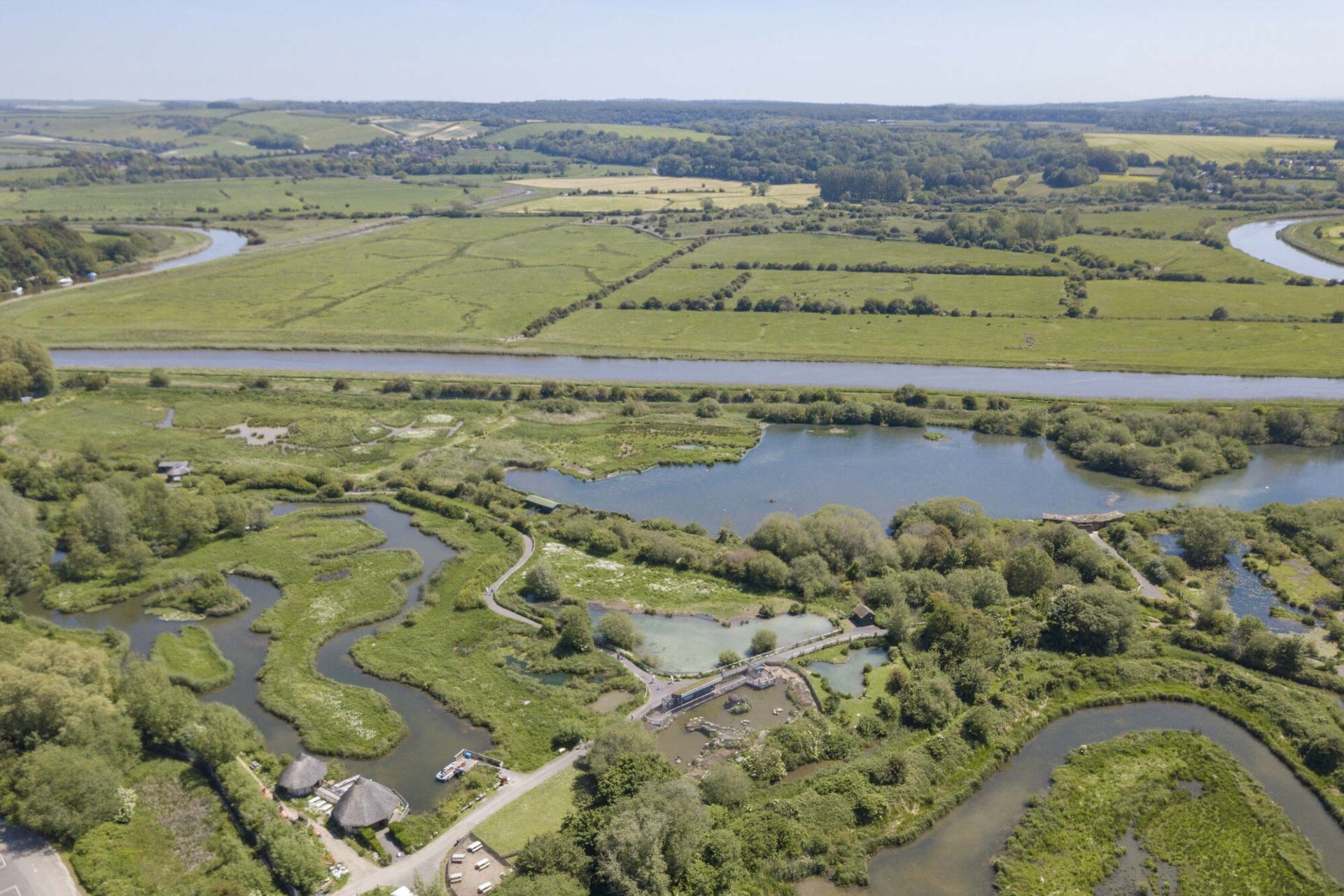 Image: WWT Arundel Wetland Centre
WWT Arundel Wetland Centre
Boardwalks and hides through reedbeds and ponds below Arundel Castle, with ducks, geese and swans to meet up close. The short boat safari through the reeds is a hit with younger children.
Why it's here: Boardwalks and hides through reedbeds below Arundel Castle, with a boat safari through the reeds. Open daily, 10am to 4.30pm.
Questions people ask
Where is the best view of the Seven Sisters?
Seven Sisters Country Park at Exceat gives the classic view, with the Cuckmere river meandering down to the sea. Birling Gap puts you on the clifftop at the eastern end.
Is there an easy walk to the beach at Seven Sisters?
Yes. The Easy Access Trail runs about 2km to the shingle beach at Cuckmere Haven and suits pushchairs. There are no toilets at the beach or on the cliffs.
Can you get to Devil's Dyke by bus?
The 77 bus runs up from central Brighton on set days, including winter weekends.