
Archaeology and ancient sites in Sussex
Sussex has some of the finest Roman remains in Britain, from the vast palace at Fishbourne to the mosaics of Bignor, and the South Downs are ringed with hill forts and older flint mines. It is also where 1066 happened: William landed at Pevensey and won at Battle.
This guide groups the best places to see it. Several of the downland sites are free and open at any time, so they slot easily into a walk, while the Roman sites need a ticket and a couple of hours.
Roman Sussex
Mosaics and palaces under cover, and a Saxon Shore fort with walls almost at full height.
 Image: The Sussex Archaeological Society
Fishbourne Roman Palace and Gardens
The remains of a vast Roman palace on the edge of Chichester, with mosaic floors under cover in the North Wing and a replanted formal garden outside. Allow time for the museum displays and the film before a stroll round the grounds.
Why it's here: The remains of a vast Roman palace on the edge of Chichester, with mosaic floors under cover and a replanted formal garden outside.
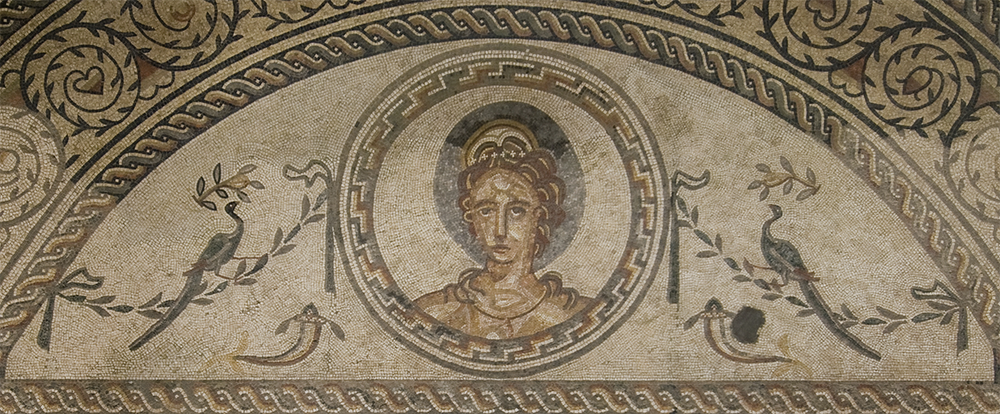 Image: Bignor Roman Villa
Bignor Roman Villa
Bignor Roman Villa preserves the remains of a Roman home with world-class mosaic floors, deep in the South Downs National Park. The mosaics, including a striking head of Medusa, are protected under historic cover buildings, and finds include the Bignor gold ring. A tearoom makes it an easy stop on a Downs day out.
Why it's here: World-class mosaic floors, including a striking head of Medusa, in the South Downs. The season runs to 31 October.
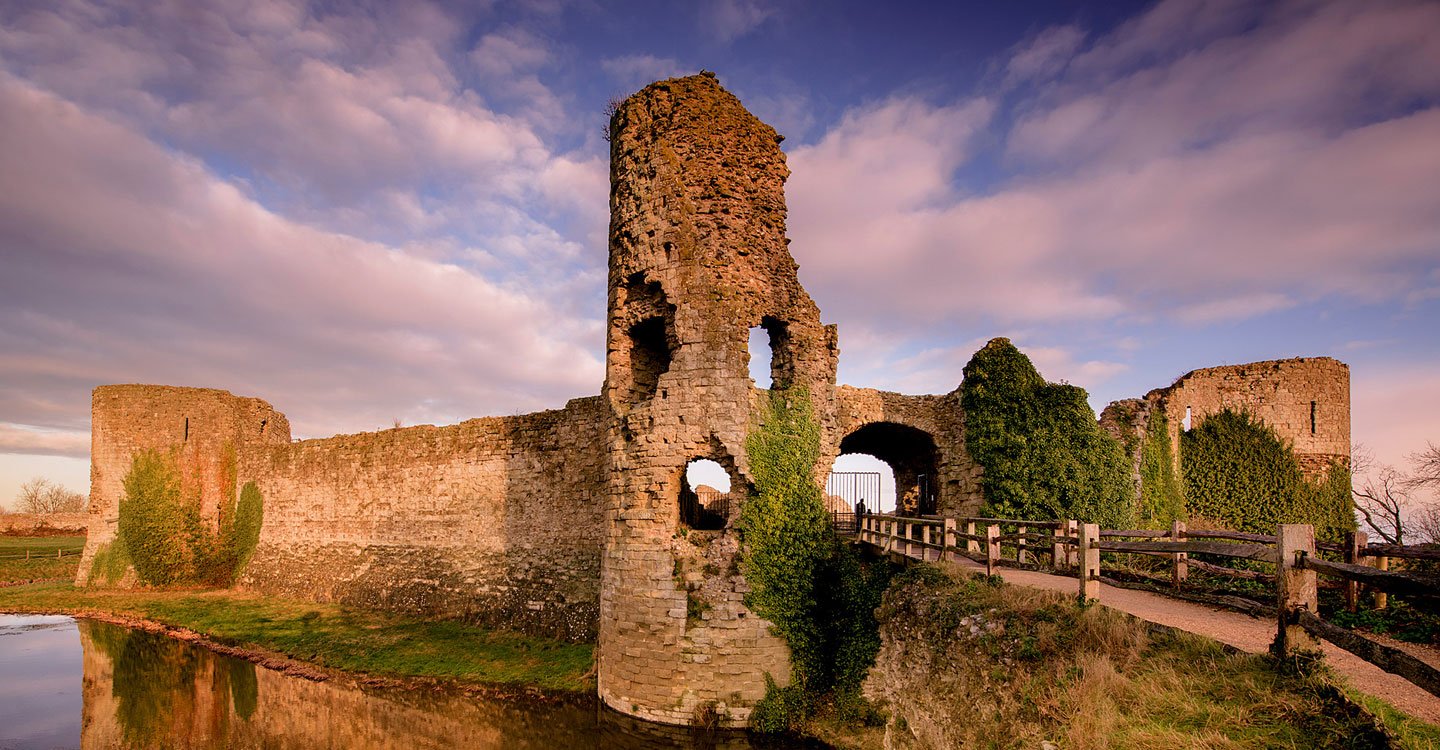 Image: English Heritage
Pevensey Castle
One of the biggest Roman Saxon Shore forts, with walls that still stand almost to full height, and the place where William the Conqueror landed in 1066. Inside you can explore the Norman castle ruins, a dungeon and displays that run from Roman times to the Second World War.
Why it's here: One of the biggest Roman Saxon Shore forts, with walls standing almost to full height, and where William the Conqueror landed in 1066.
Hill forts and prehistoric Downs
Free to walk, with views to the sea and a story going back more than 5,000 years.
 Photo: Simon Burchell, CC BY-SA 3.0
Cissbury Ring
The largest hill fort in Sussex, with ramparts enclosing about 65 acres on a chalk spur just north of Worthing and a story going back more than 5,000 years, including Neolithic flint mines. On a clear day the views reach the cliffs beyond Brighton and the Isle of Wight. Grazed downland makes it one of the best butterfly spots in the county.
Why it's here: The largest hill fort in Sussex, with ramparts round about 65 acres and Neolithic flint mines. Free, any reasonable time.
 Image: National Trust
Devil's Dyke
The longest, deepest and widest dry valley in Britain, cut into the South Downs just north of Brighton. Walk the Iron Age ramparts for the view Constable called the grandest in the world, then drop into the valley itself.
Why it's here: Walk the Iron Age ramparts above the deepest dry valley in Britain, just north of Brighton.
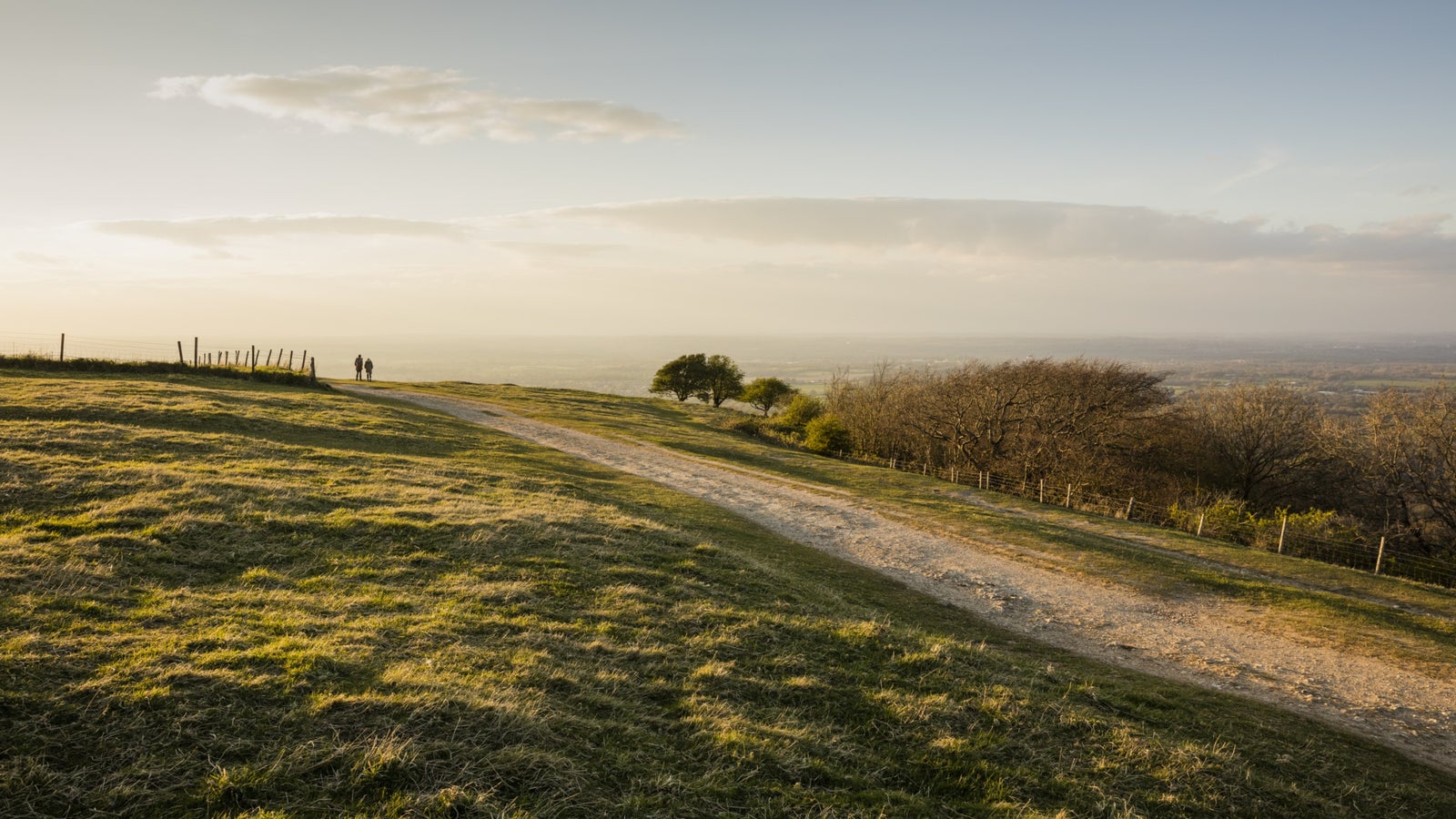 Image: National Trust
Ditchling Beacon
At 248 metres, Ditchling Beacon is the highest point in East Sussex, with views to the sea in one direction and across the Weald in the other. The South Downs Way runs along the ridge past the remains of an Iron Age hillfort.
Why it's here: The highest point in East Sussex, with the remains of an Iron Age hill fort on the South Downs Way.
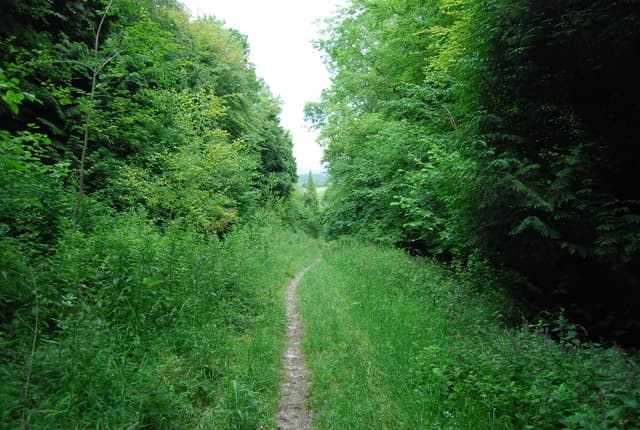 Photo: N Chadwick, CC BY-SA 2.0
Harting Down
One of the largest areas of ancient chalk downland in the Trust's care, on the South Downs Way just east of Uppark. From the brow of the hill the views run north over the Weald and south to the Isle of Wight. Iron Age earthworks and the site of a Napoleonic telegraph station on Beacon Hill add some history to the walking.
Why it's here: Ancient chalk downland with Iron Age earthworks on the South Downs Way, just east of Uppark.
1066 and Norman Sussex
The battle that changed England, and the castles and priories that followed.
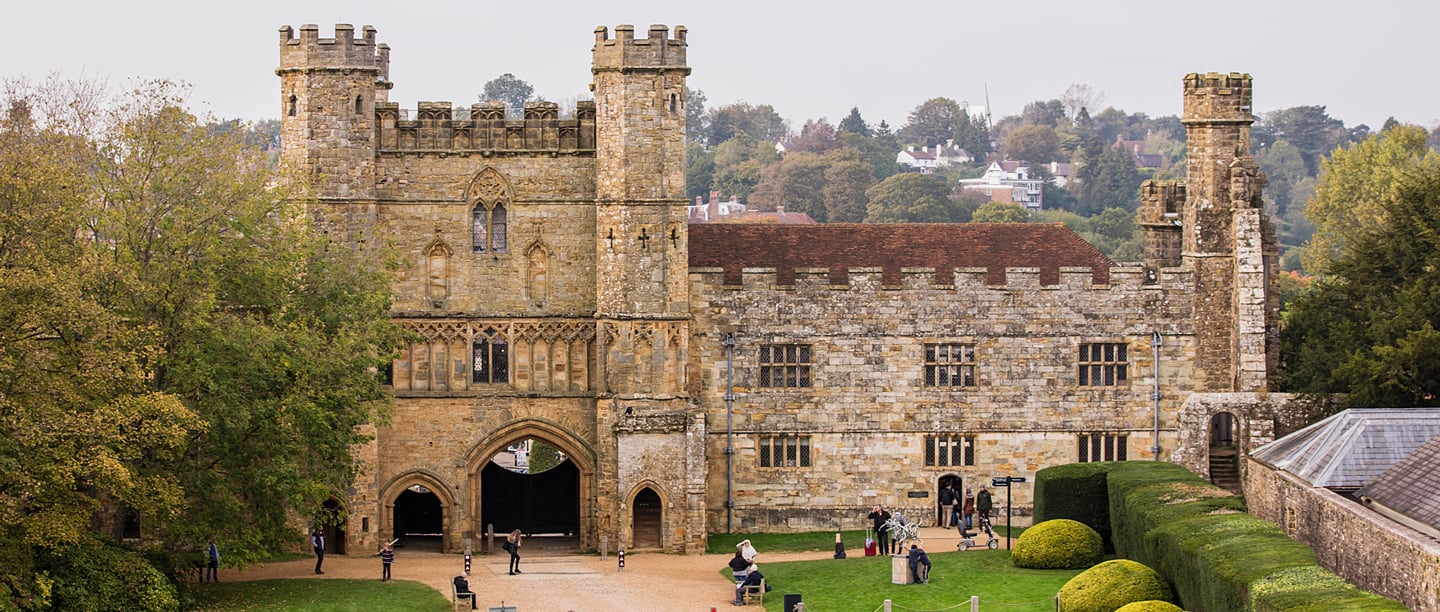 Image: English Heritage
1066 Battle of Hastings, Abbey and Battlefield
The place where the Battle of Hastings was fought in 1066, with the abbey William the Conqueror built on the spot where Harold is said to have fallen. Walk the battlefield with an audio tour, climb the gatehouse for views and finish at the playground by the café.
Why it's here: The site of the Battle of Hastings, with the abbey William founded to mark his victory.
 Image: Sussex Archaeological Society (Sussex Past)
Lewes Castle and Museum
A Norman castle built after the Battle of Hastings, with steep steps up to the keep and panoramic views across Lewes and the Sussex countryside. The museum covers prehistoric to medieval Sussex, which makes it a handy rainy-day add-on.
Why it's here: A Norman castle with views across Lewes, and a museum of prehistoric to medieval Sussex for a rainy day.
 Photo: Michael Coppins, CC BY-SA 4.0
Bramber Castle
Bramber Castle was built soon after the Norman Conquest on a natural knoll above the River Adur, guarding a gap in the South Downs. It was the Sussex seat of the de Braose family. Today a single wall of its tower still stands 14 metres high, a short walk from the centre of Bramber village.
Why it's here: Built soon after the Conquest above the River Adur; a single wall of its tower still stands 14 metres high. Free, any reasonable time.
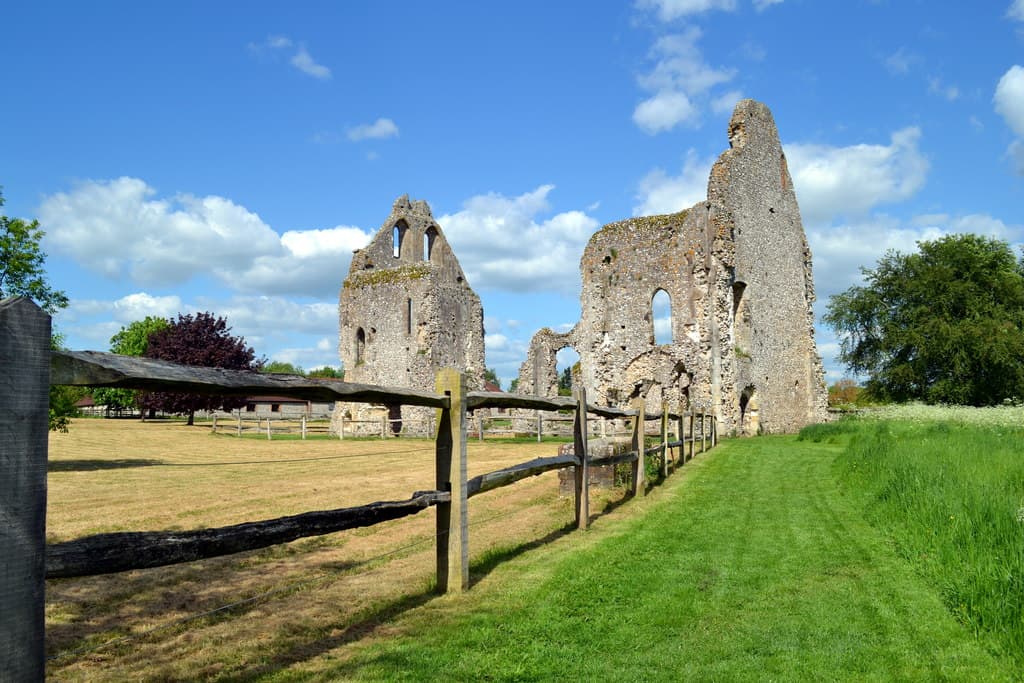 Photo: Philip Windibank, CC BY-SA 2.0
Boxgrove Priory
Boxgrove Priory was founded around 1107 for just three Benedictine monks, at the foot of the South Downs near Chichester. The tall roofless guest house still stands to full height at its gable ends, while the east end of the priory church survives as the village's parish church.
Why it's here: A Benedictine priory founded around 1107 near Chichester, with its roofless guest house standing to full height at the gable ends. Free.
Questions people ask
Where can you see Roman mosaics in Sussex?
Fishbourne Roman Palace near Chichester and Bignor Roman Villa in the South Downs both have Roman mosaic floors under cover.
Where did William the Conqueror land in 1066?
At Pevensey, where the Roman fort and Norman castle still stand. The battle itself was fought at what is now Battle, where you can visit the abbey and battlefield.
Which Sussex hill forts can you visit for free?
Cissbury Ring, Devil's Dyke, Ditchling Beacon and Harting Down are all free to walk, though some car parks charge non-members.